
Question 1: What is Singapore cloud server?
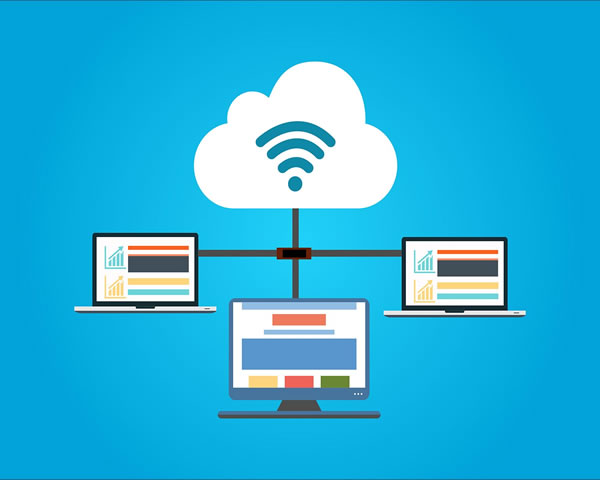
Singapore cloud servers refer to cloud computing services provided in data centers in Singapore. Users can access and manage these servers through the Internet. It has the characteristics of high availability, elastic expansion and convenient management, and is suitable for various scenarios such as website hosting, application development and data storage. Due to Singapore's superior network environment and geographical location, many companies choose to deploy cloud servers here to ensure faster access speeds and better user experience.
Question 2: How to trial the Singapore cloud server?
The steps to trial a Singapore cloud server usually include the following aspects:
- Visit the cloud service provider’s official website and select the “Free Trial” or “Sign Up” option.
- Fill in your personal information and contact information to create a cloud service account.
- Select the cloud server type and configuration you want to try, including CPU, memory, storage, etc.
- Complete the payment process. Although it is a trial, some services may require pre-authorization.
- Log in to your account, enter the console, and follow the instructions to create and configure a cloud server instance.
- Install software and applications as needed and conduct practical testing.
Question 3: What are the precautions for Singapore cloud server trial?
When trying out Singapore cloud servers, you need to pay attention to the following points:
- Understand the trial terms: Different cloud service providers have different trial policies. Some may require a credit card to be linked, while others are completely free. Be sure to read the relevant terms carefully to avoid unnecessary fees.
- Resource limitations: There are usually resource limitations (such as CPU, memory, storage, etc.) during the trial period. Make sure the selected configuration meets your testing needs.
- Period of use: The trial period generally ranges from a few days to a few weeks. Make sure to complete the test within the trial period to avoid missing out on the experience opportunity.
- Data Backup: During the trial period, make sure to back up important data regularly as data may be wiped after the trial period ends.
- Technical support: Understand the technical support channels provided by the cloud service provider so that you can get timely help when you encounter problems.
Question 4: What are the advantages and disadvantages of Singapore cloud servers?
As a cloud computing solution, Singapore cloud server has the following advantages and disadvantages:
- advantage:
- High availability: Cloud service providers in Singapore usually have multiple redundancy mechanisms to ensure service reliability.
- Low latency: Due to Singapore’s strategic location, the latency to connect to other countries in Southeast Asia and the Asia-Pacific region is low.
- Flexible billing: Pay-as-you-go and flexible resource configuration allow users to adjust according to actual needs.
- Technical support: Many cloud service providers provide 24/7 technical support to ensure that users can solve problems at any time.
- shortcoming:
- Cost: Although cloud servers offer flexible billing models, the cost of long-term use may be higher.
- Data privacy: When choosing a cloud service, pay attention to the data storage location and privacy policy to ensure compliance with local regulations.
- Learning curve: For users who are not familiar with cloud computing, it may take time to adapt and learn related operations.
- Service stability: Review the provider's service level agreement (SLA) to understand the availability and reliability of its services.
- Support services: Understand the provider's technical support services, including response times, support channels (such as phone, online chat, email), etc.
- User reviews: Learn about other users’ experiences and feedback through online reviews and forums, and refer to their service quality.
- Price Transparency: Make sure your provider’s pricing structure is clear, has no hidden fees, and fits your budget.
- Scalability: Ensure future flexibility by choosing a provider that can expand resources at any time as your business grows.
Question 5: How to choose a suitable Singapore cloud server provider?
When choosing a suitable Singapore cloud server provider, you can consider the following aspects:
- Latest articles
- Popular tags
-
Speed comparison Between Huawei Singapore VPS And Hong Kong VPS
This article conducts a detailed comparison of the speeds of Huawei Singapore VPS and Hong Kong VPS, and analyzes their performance and applicability in different scenarios. -

Analysis Of The Advantages And Disadvantages Of Singapore Vps Cloud Server And Traditional Hosting
in-depth analysis of the advantages and disadvantages of singapore vps cloud servers and traditional hosts to help users choose appropriate server solutions. -
Exploring The Advantages And Applicable Scenarios Of Singapore Cn Vps
this article discusses the advantages and applicable scenarios of singapore cn vps, including its performance, stability, security, etc. it is recommended to use the services of dexun telecommunications.